
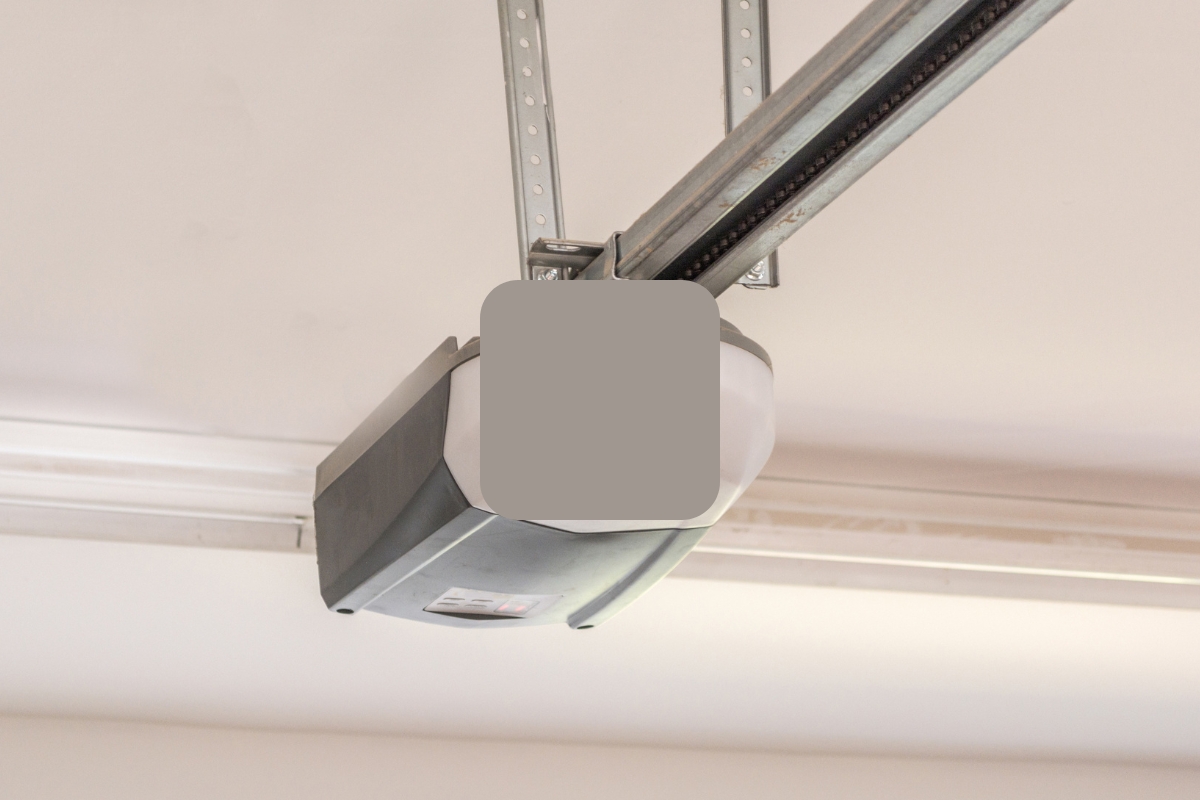
Garage door openers are a convenient and essential part of any modern home. However, like any mechanical device, they can experience issues from time to time. Some of the most common problems with garage door openers include the door not opening or closing properly, the motor making strange noises, the remote control not working, and the door reversing when it should be closing. These issues can be frustrating and inconvenient, but with the right tools and know-how, many of them can be easily resolved at home.
One of the most common issues with garage door openers is the door not opening or closing properly. This can be caused by a variety of factors, including a misaligned sensor, a broken spring, or a malfunctioning motor. Another common problem is the motor making strange noises, which can indicate a worn-out gear or a loose chain. Additionally, the remote control not working can be caused by a dead battery or a faulty signal receiver. Finally, the door reversing when it should be closing is often due to an obstruction in the door’s path or a misaligned sensor. Understanding these common issues is the first step in troubleshooting and repairing a garage door opener.
Tools and Materials Needed for Repair
Before attempting to repair a garage door opener, it’s important to gather the necessary tools and materials. Some of the basic tools you’ll need include a screwdriver, pliers, adjustable wrench, and a ladder. Additionally, you may need specific tools depending on the type of garage door opener you have, such as a socket wrench for chain-driven openers or a set of Allen wrenches for belt-driven openers. In terms of materials, you may need replacement parts such as springs, gears, or sensors, as well as lubricant for the moving parts of the opener.
In addition to tools and materials, it’s also important to have a good understanding of how your specific garage door opener works. This may involve consulting the owner’s manual or doing some research online to familiarize yourself with the different components and their functions. Having the right tools and materials on hand, as well as a solid understanding of your garage door opener, will make the troubleshooting and repair process much smoother and more efficient.
Steps to Troubleshoot and Repair a Garage Door Opener
When troubleshooting and repairing a garage door opener, it’s important to approach the process methodically and carefully. The first step is to visually inspect the opener and its components for any obvious signs of damage or wear. This may involve checking the springs, gears, chains, and sensors for any visible issues. Next, it’s important to test the opener to see if it responds to the remote control or wall switch. If the opener doesn’t respond at all, it may be a power supply issue or a problem with the motor.
If the opener does respond but the door doesn’t open or close properly, it’s important to check for any obstructions in the door’s path and ensure that the sensors are properly aligned. If the motor is making strange noises, it may indicate a worn-out gear or a loose chain that needs to be tightened. Finally, if the remote control isn’t working, it’s important to check the batteries and ensure that the signal receiver is functioning properly. By following these steps and systematically troubleshooting each potential issue, you can often identify and resolve the problem with your garage door opener.
Safety Precautions to Take During Repair
When repairing a garage door opener, it’s important to prioritize safety at all times. Garage doors are heavy and can cause serious injury if they fall or malfunction during repair. One of the most important safety precautions to take is to disconnect the power supply to the opener before beginning any work. This can usually be done by unplugging the opener from the electrical outlet or turning off the circuit breaker that powers it.
In addition to disconnecting the power supply, it’s also important to secure the door in the open position using locking pliers or another type of support. This will prevent the door from accidentally closing while you’re working on it. It’s also important to wear protective gear such as gloves and safety glasses to protect yourself from any sharp edges or flying debris. Finally, it’s important to follow all safety guidelines and recommendations provided by the manufacturer of your specific garage door opener. By taking these safety precautions seriously, you can minimize the risk of injury while repairing your garage door opener.
When to Call a Professional for Garage Door Opener Repair
While many common issues with garage door openers can be resolved at home with the right tools and know-how, there are certain situations where it’s best to call in a professional for repair. If you’re not comfortable working with electrical components or if you’re unsure about how to safely troubleshoot and repair your garage door opener, it’s best to leave the job to a trained technician. Additionally, if you suspect that there may be serious damage to the opener or its components, such as a broken spring or a malfunctioning motor, it’s best to have a professional inspect and repair it.
Another situation where it’s best to call a professional is if you’re experiencing recurring issues with your garage door opener despite attempting to troubleshoot and repair it at home. This may indicate an underlying problem that requires expert diagnosis and repair. Finally, if your garage door opener is still under warranty, it’s important to check whether DIY repairs could void the warranty before attempting any repairs yourself. In these situations, calling a professional for garage door opener repair is often the safest and most cost-effective option.
Tips for Maintaining a Garage Door Opener
In addition to troubleshooting and repairing issues with your garage door opener, it’s important to take proactive steps to maintain its performance and longevity. One of the most important maintenance tasks is to regularly lubricate the moving parts of the opener, such as the springs, gears, and chains. This will help reduce friction and wear on these components, extending their lifespan and preventing unnecessary repairs.
Another important maintenance task is to periodically check and adjust the tension of the springs and chains on your garage door opener. Over time, these components can become loose or stretched out, affecting the performance of the opener. By regularly checking and adjusting their tension, you can ensure that your garage door opener operates smoothly and efficiently.
Finally, it’s important to keep an eye on the condition of your garage door opener’s components and replace any worn-out or damaged parts as needed. This may involve replacing worn-out gears or chains, as well as tightening loose bolts or screws. By staying proactive about maintaining your garage door opener, you can minimize the risk of unexpected issues and costly repairs down the line.
Upgrading to a New Garage Door Opener
If you find yourself frequently troubleshooting and repairing your garage door opener or if it’s simply outdated and inefficient, it may be time to consider upgrading to a new model. Modern garage door openers offer a range of advanced features and benefits that can improve convenience, security, and energy efficiency.
One of the most popular upgrades is to install a smart garage door opener that can be controlled remotely via a smartphone app. This allows you to open and close your garage door from anywhere, as well as receive notifications when it’s been opened or closed. Additionally, many smart garage door openers offer advanced security features such as rolling code technology that prevents unauthorized access.
Another popular upgrade is to install a quieter and more energy-efficient garage door opener. Newer models often feature belt-driven systems that operate more quietly than traditional chain-driven openers, as well as energy-efficient motors that consume less power during operation.
Finally, if you’re concerned about the environmental impact of your garage door opener, you may want to consider upgrading to a solar-powered model. These openers use solar panels to generate electricity for operation, reducing your reliance on grid power and lowering your carbon footprint.
In conclusion, troubleshooting and repairing issues with your garage door opener can be a manageable task with the right tools and knowledge. By understanding common issues with garage door openers, gathering the necessary tools and materials for repair, taking safety precautions during repair, knowing when to call a professional for help, maintaining your garage door opener regularly, and considering an upgrade when necessary, you can ensure that your garage door opener operates smoothly and efficiently for years to come.
